
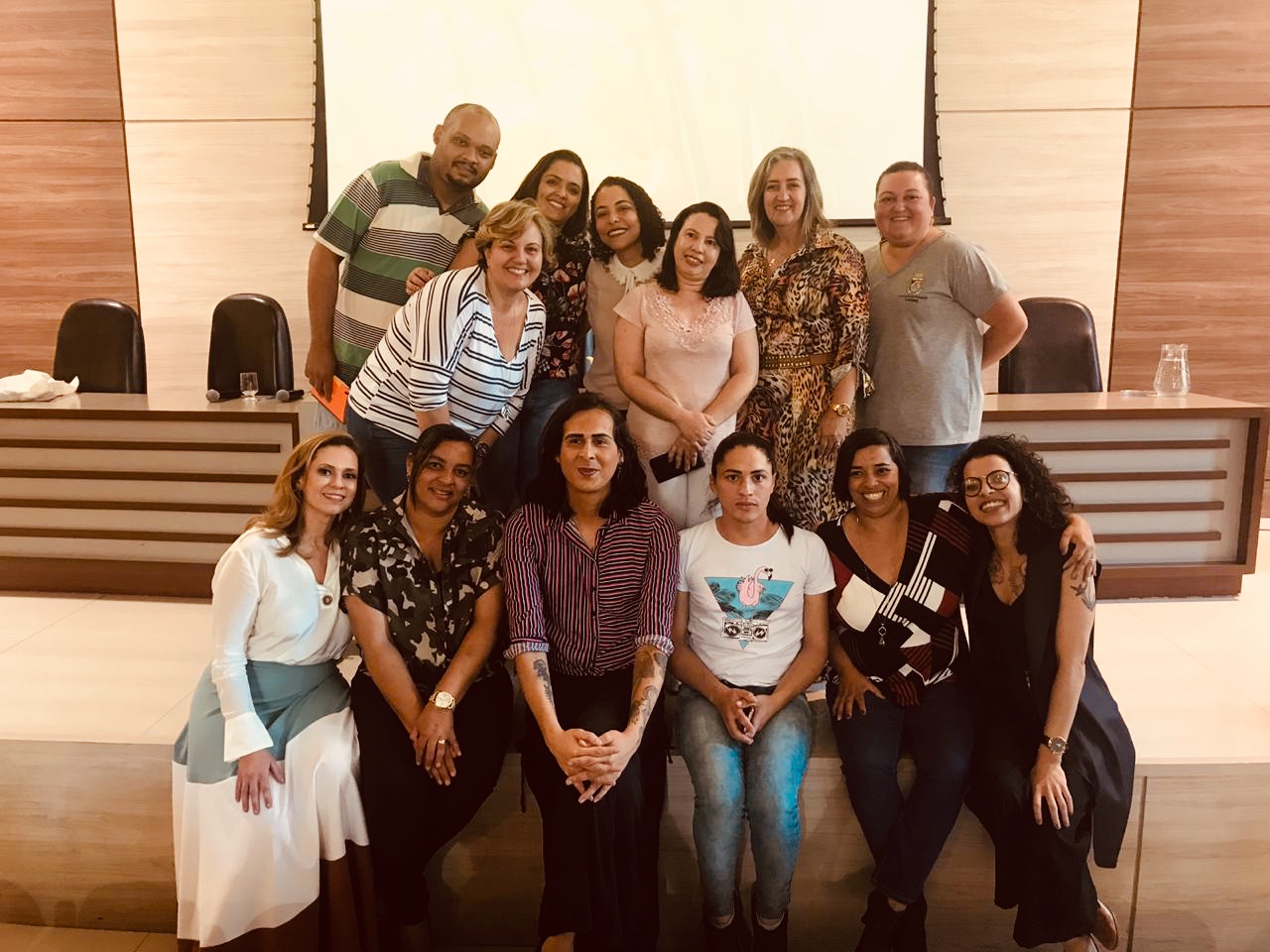
On August 2nd, alongside two incredible women — Duda Salabert and Daniela Cunha Pereira — I had the opportunity to learn so much and to share a bit of what I’ve learned over these 10 years photographing women. My goal was to inspire new ways of thinking about ourselves and to encourage more freedom in how we exist.
And since many people asked me on Instagram, I’m publishing here the full transcript of my talk for those who couldn’t attend in person.

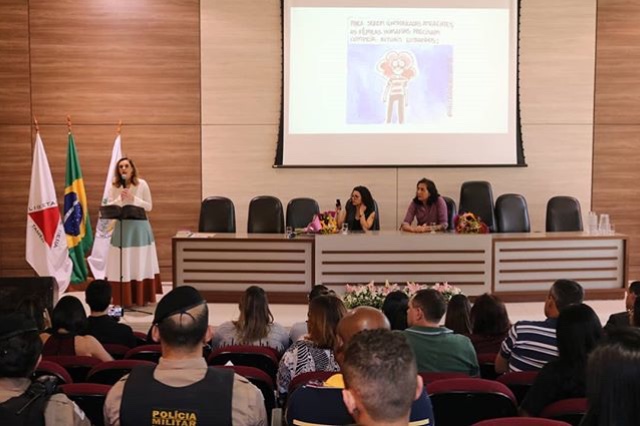
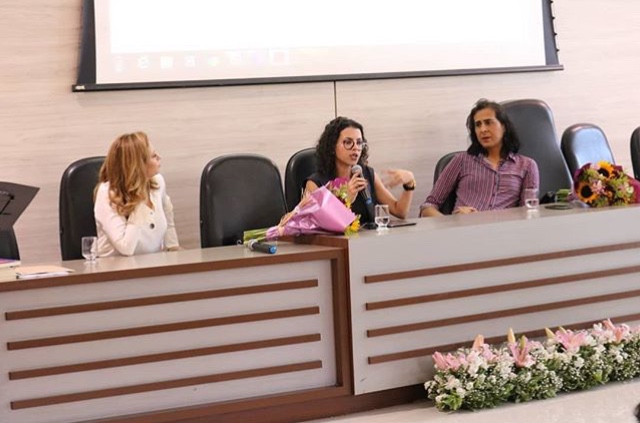
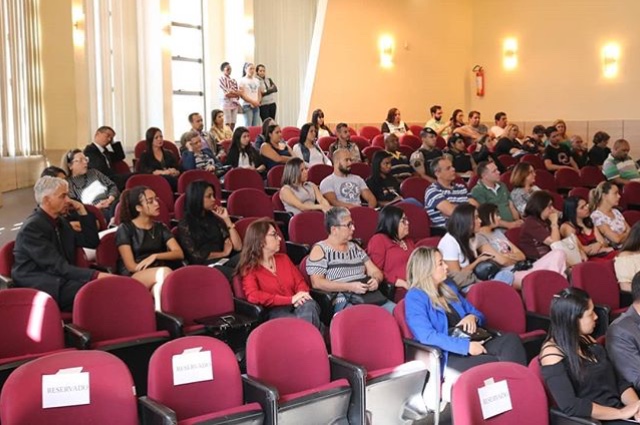
“Hello. My name is Mariana Beltrame.
I’m very happy to be here, next to women who inspire me so deeply. I’d like to thank Dani for the invitation and all of you for being here.
I’m a photographer, and I’ve been photographing women for 10 years. Over this time, I’ve learned a lot about self-image, self-esteem, and self-confidence in practice — and I’m so grateful for the opportunity to share a bit of what I’ve learned.
I got into the world of feminine photography through self-portraits. I’ve been photographing myself since I was very young — it started from a need to see myself and understand what kind of woman I was.
I had very low self-esteem and a negative perception of my own image — especially regarding my appearance and my intellectual potential.
Photographing myself helped me see the strength I couldn’t see within. And because of those self-portraits, some women asked me to photograph them.
In other words, I didn’t invent this work — women did. And I believe that’s because all of us have this deep, latent desire to see ourselves — to perceive ourselves on our own terms.
Most of the time, I simply lend my gaze so that these women can reveal themselves. I work as a kind of bridge.
So everything I’ll say here isn’t just from my personal experience — it’s the result of collective learning with my clients, through real and organic experiences.
What we think about ourselves is built on layers — family, relationships, culture, religion.
Self-esteem is just the tip of the iceberg.
Low self-esteem is a symptom that the entire structure around you has failed.
What you think of yourself — about your appearance or your essence — is shaped by those external voices. No one is born thinking less of themselves.
Someone, or something, puts that voice inside you.
And we accept it as our own — we internalize it — because we don’t know how to do otherwise.
These constructions begin in childhood, when we don’t yet have the discernment to tell external voices apart from our own.
That’s why we’re constantly at odds with ourselves.
These voices come in many forms — through violence, through media and cultural representations, through limiting expectations placed on us, through governmental control over women’s bodies, through advertising, and even through art itself.
As a result, we come to experience the female body as public property, as something that doesn’t truly belong to us. We feel that we exist to serve a purpose — that we don’t belong to ourselves.
From all directions, we’re told how to be, how to behave, how to “get it right,” how to sculpt our bodies and personalities to fit an ideal version of womanhood.
All of these demands are forms of violence.
Violence takes many forms — and it’s easy to recognize only the obvious ones, like physical violence. But the subtle ones matter just as much.
Silencing, loss of autonomy, loss of decision-making power — even in small things — the imposition of ways of living, behaving, dressing…
We women are so used to subtle violence that we stop noticing it.
We live constantly trying to fit in, to meet expectations.
These forms of violence become part of our identity — an identity shaped by external expectations.
I’ve had clients who spent years in abusive relationships without realizing it, because the violence was so subtle.
And when — or if — one day you finally see it, you no longer know who you truly are. Because your entire identity has been built by others. What remains is a submissive, wounded identity.
An identity always ready to please.
All of this psychological pain shows up as low self-esteem — as I said, a symptom of broken systems.
And I believe that one of the paths out of this cycle of submission is reclaiming our autonomy.
But how do we do that?
Of course, there’s political and social work to be done. But let’s focus on what we can do right now, for ourselves.
We don’t even know where to start, because pleasing others is what we’ve always been taught to do.
Learning to strip away what isn’t ours — to separate external noise from who we truly are — is daily work. It’s paying attention to every word we say, to every thought we have.
Question everything. Constantly.
Ask yourself why you don’t like something about yourself. Who told you that you should change it? Can you remember where that thought began?
You know how they call women like that “difficult”? You’ll be called that.
That’s the price. Because we live in a society ready to condemn women with strong opinions — women who don’t bend.
A woman who doesn’t bend can’t be controlled.
Reclaiming autonomy is taking back the reins of your own life. It’s learning to redefine what you are — on your terms.
To silence the noise outside so you can hear the voice within.
That’s what I’ve learned to do in my work — to be a bridge for women to simply be.
Without judgment.
To see themselves, to meet themselves again, to appreciate themselves.
To have the chance to look at an image of yourself instead of accepting a pre-made image sold to you — a box you’re told to fit into — that’s a turning point. It opens an inner door to self-awareness, to reclaiming your inner power.
Today, I fully understand that imagery — representation — carries enormous power in shaping our self-esteem.
Human beings have been representing themselves since the caves. Visual representation holds a weight that writing or music doesn’t — because seeing yourself proves that you exist.
That’s why representation matters so much in media, film, and art. Seeing yourself reflected tells you that you are recognized — by society, and by others.
Every artist, every painter, has made at least one self-portrait. Humanity has a deep desire to see itself — to know that its existence is acknowledged.
For women who are constantly bombarded by impossible ideals, this is even more urgent: to recognize ourselves, to reclaim our own image.
That’s why photography is such a powerful tool to reconnect with how we see ourselves — to reduce the noise of external interference.
I’m not saying everyone should be photographed by me — but that every woman should photograph herself, observe herself, experience being represented.
Or maybe you’ll find another form of expression — writing, dancing, music — something that helps you meet yourself again.
But dive into yourself, instead of letting the world define you.
And finally…
You’ve probably seen Paleolithic Venus sculptures, right?
There’s a new theory suggesting that those figures may have been made by women themselves — because of the angle from which the body is represented. The perspective perfectly matches how one sees their own body when looking down — and since they didn’t have mirrors, the faces aren’t included.
This theory challenges the old, male-centered interpretation that they symbolized fertility — the woman as a vessel — and instead gives women back the authorship of their own image.
And that’s what I want to leave with you today:
Create your own Venus.
Reclaim what was taken from you.
Thank you.”
